

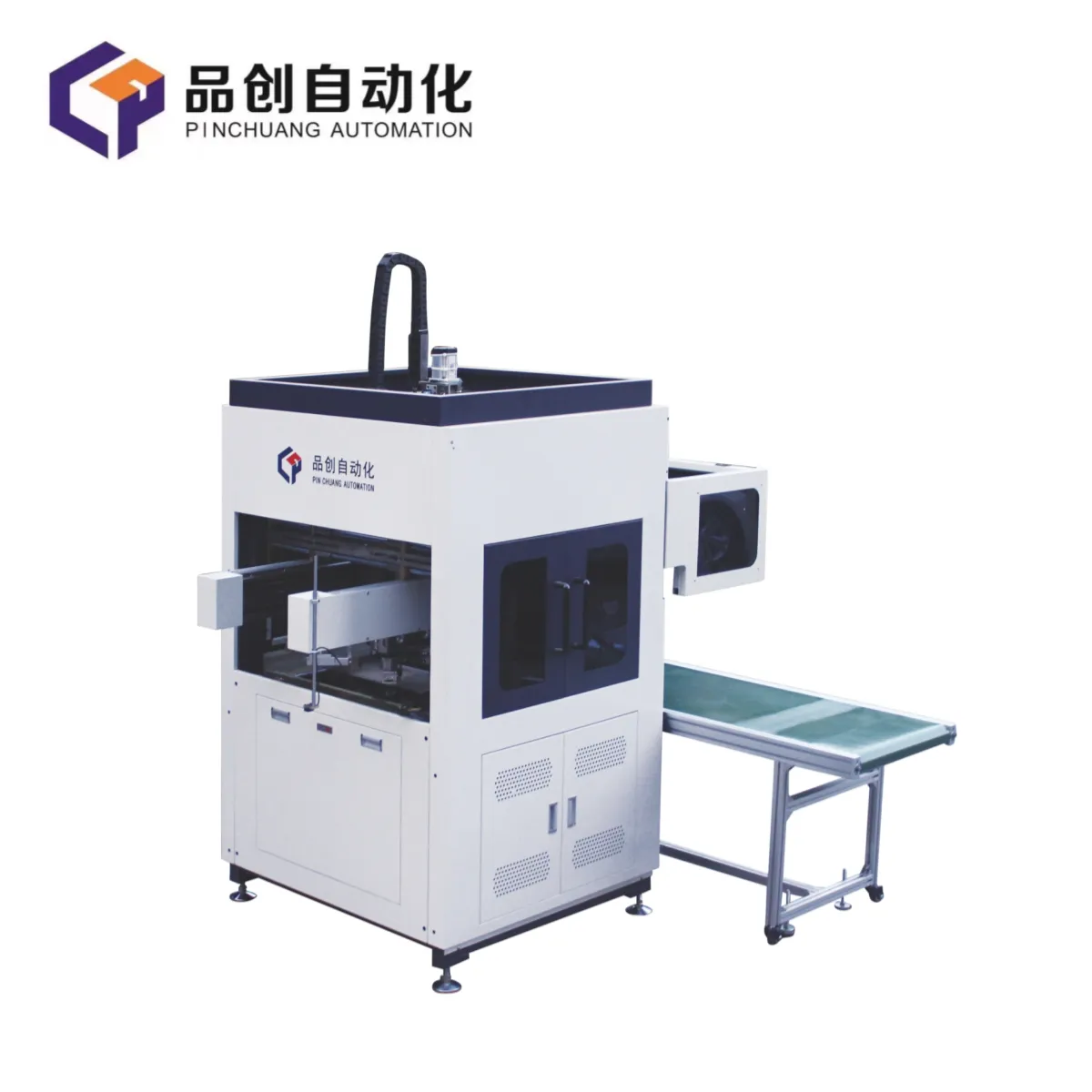
In the packaging industry, rigid boxes are widely used for premium products such as cosmetics, electronics, jewelry, and luxury gifts. These boxes require not only structural strength but also precise shaping and a high-quality finish. One of the most critical machines in achieving this is the rigid box forming machine, which transforms flat or pre-processed materials into fully formed rigid boxes.
Traditionally, box forming relied on manual processes, where operators folded and pressed materials by hand. This method was time-consuming, inconsistent, and unsuitable for large-scale production. With the advancement of automation, the rigid box forming machine has become an essential piece of equipment, offering high precision, efficiency, and repeatability.
In this article, we will explore what a rigid box forming machine is, its core components, how it works, and why it plays a vital role in modern packaging production.
Understanding the Function of a Rigid Box Forming Machine
A rigid box forming machine is a specialized device used to shape and assemble rigid boxes from pre-cut and pre-processed materials. After processes such as V grooving, paper gluing, and positioning, the materials are ready for forming, where the final box structure is created.
The primary function of this machine is to fold the edges of the material accurately, apply pressure to secure the structure, and ensure that all corners are tight and aligned. This process requires a combination of mechanical precision and controlled force to achieve consistent results.
Unlike manual forming, which depends on operator skill, a rigid box forming machine ensures uniformity across all products. It reduces variations, improves production speed, and enhances the overall quality of the boxes. For manufacturers aiming to produce high-end packaging, this machine is indispensable in achieving both aesthetic and structural excellence.
Key Components of a Rigid Box Forming Machine
To fully understand how a rigid box forming machine works, it is important to examine its main components. Each part plays a specific role in ensuring accurate and efficient box formation.
The feeding system is responsible for delivering materials into the machine. It ensures that each piece is positioned correctly before the forming process begins. The forming mechanism includes molds, pressing plates, and folding arms that shape the box according to predefined dimensions.
The control system acts as the brain of the machine, managing parameters such as pressure, timing, and alignment. Advanced machines use programmable logic controllers (PLC) to ensure precise operation. Additionally, the pressing system applies uniform pressure to secure the box structure, while the ejection system removes the finished box from the machine.
These components work together seamlessly, enabling the rigid box forming machine to produce high-quality boxes with consistent results and minimal manual intervention.
Step-by-Step Working Process
The operation of a rigid box forming machine involves several coordinated steps. First, pre-processed materials, such as greyboard combined with glued paper, are fed into the machine. The feeding system ensures proper alignment before the forming process begins.
Next, the material enters the forming section, where folding arms or mechanical guides shape the edges of the box. At this stage, precision is crucial to ensure that all sides are aligned correctly.
After folding, the pressing system applies controlled pressure to secure the box structure. This step ensures that the corners are tight and the box maintains its shape. Depending on the machine design, heating elements may also be used to enhance adhesion.
Finally, the finished box is ejected from the machine and transferred to the next stage of production or packaging. This automated process significantly reduces manual labor while ensuring consistent quality and high production efficiency.
Advantages of Using a Rigid Box Forming Machine
The rigid box forming machine offers numerous advantages over traditional manual methods. One of the most significant benefits is improved efficiency. Automated forming processes allow manufacturers to produce a large number of boxes in a shorter time, increasing overall productivity.
Another key advantage is precision. The machine ensures accurate folding and consistent pressure application, resulting in uniform box shapes and high-quality finishes. This level of precision is essential for luxury packaging, where appearance and structural integrity are critical.
Additionally, the machine reduces labor costs by minimizing the need for manual work. Operators primarily oversee the process rather than performing repetitive tasks, which also improves workplace safety.
Material waste is also reduced, as the machine minimizes errors and ensures consistent results. Overall, the rigid box forming machine enhances production efficiency, quality, and cost-effectiveness.
Applications in Modern Packaging Industry
The versatility of the rigid box forming machine makes it suitable for a wide range of applications. It is widely used in the production of cosmetic packaging, electronics boxes, jewelry boxes, and gift boxes.
In the luxury goods sector, where packaging plays a key role in brand perception, the machine ensures flawless finishes and precise structures. In the electronics industry, it provides durable and protective packaging solutions.
The machine is also commonly integrated into automated production lines, working alongside V grooving machines, automatic visual positioning machines, corner pasting machines, and paper gluing machines. This integration creates a seamless workflow, improving efficiency and ensuring consistent quality across all stages of production.
As packaging designs become more complex and production demands increase, the rigid box forming machine continues to play a crucial role in meeting industry requirements.
Our Company and Solutions
Dongguan Pinchuang Automation Equipment Co., Ltd. is a leading manufacturer of advanced packaging machinery, specializing in high-performance rigid box forming machines. Our equipment is designed to deliver precision, reliability, and efficiency for modern packaging production.
We provide a comprehensive range of solutions, including automatic rigid box machines, V grooving machines, automatic visual positioning machines, corner pasting machines, and paper gluing machines. Our machines are engineered for flexibility, allowing manufacturers to handle various materials and box designs with ease.
With a strong focus on innovation and customer support, we offer customized solutions, technical training, and after-sales services to ensure optimal performance. By choosing our rigid box forming machines, clients can enhance production efficiency, reduce costs, and consistently produce high-quality packaging products.
FAQ
Q1: What is a rigid box forming machine?
A rigid box forming machine is a machine used to shape and assemble rigid boxes by folding and pressing materials into their final structure.
Q2: How does a rigid box forming machine work?
It feeds pre-processed materials, folds them into shape, applies pressure to secure the structure, and ejects the finished box automatically.
Q3: What are the benefits of using a rigid box forming machine?
Benefits include improved efficiency, consistent quality, reduced labor costs, and minimal material waste.
Q4: Can it be integrated with other machines?
Yes, it can work with V grooving machines, positioning machines, and gluing systems to create a fully automated production line.
Q5: Is a rigid box forming machine suitable for high-end packaging?
Absolutely. It ensures precise shaping and high-quality finishes, making it ideal for luxury and premium packaging applications.