

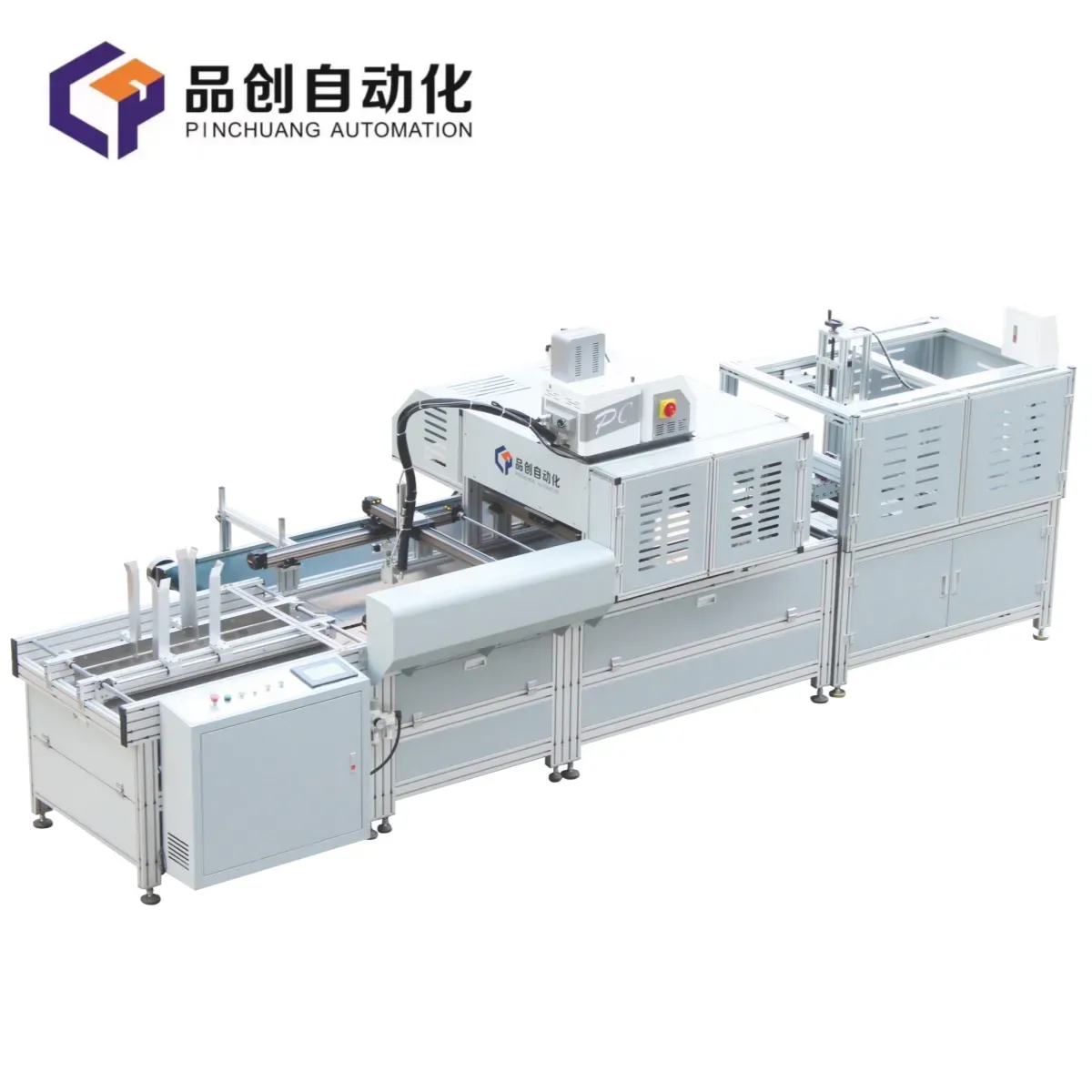
A comprehensive guide to leveraging automation for operational excellence and maximum profitability in the rigid box industry.
The Shift Toward Automation in Modern Packaging
In the contemporary manufacturing landscape, packaging factories face an unprecedented challenge: the rising cost of manual labor. As consumer demand for luxury goods, electronics, and premium gift items surges, the traditional methods of hand-crafting rigid boxes are no longer sustainable. This is where the implementation of a sophisticated box making machine becomes a strategic necessity rather than an optional upgrade.
For decades, the packaging industry relied heavily on skilled artisans to glue, fold, and assemble high-end boxes. However, the modern market demands higher precision, faster turnaround times, and lower price points. Transitioning to automated systems allows factories to stabilize their output while shielding themselves from the volatility of the labor market.
By integrating a box making machine into the production line, factory owners can achieve a level of consistency that human hands simply cannot replicate. From uniform glue application to micron-level positioning, automation ensures that every unit meets the stringent quality standards required by global brands.
How Does a Box Making Machine Solve Labor Shortages?
Labor shortages are not just about a lack of workers; they are about a lack of "skilled" workers. Training a new employee to perfectly wrap a rigid box or align a cover can take weeks of supervision, and even then, turnover rates in manufacturing remain high.
An automated system eliminates this training curve. Once the parameters are set, the machine performs the complex tasks of gluing, positioning, and forming without fatigue. This allows factories to operate with a skeleton crew, focusing human talent on quality oversight and maintenance rather than repetitive manual assembly.
Furthermore, automation reduces the physical strain on workers, leading to a safer workplace and lower insurance premiums. By replacing five to ten manual laborers with a single high-speed line, the management of human resources becomes significantly more streamlined.
Precision Engineering: Reducing Material Waste and Rework
Labor costs aren't just hidden in wages; they are also buried in the cost of human error. When a manual worker misaligns a box cover or applies too much glue, that unit becomes waste. In high-volume production, a 5% error rate can translate into thousands of dollars of lost material and labor hours spent on rework.
Modern box making machine technology, particularly those equipped with visual positioning systems, reduces the error rate to near zero. These machines use high-definition cameras and robotic arms to ensure that the paper and board are perfectly synchronized before the final forming process begins.
Consistent Glue Application: Prevents bubbles and peeling, ensuring longevity.
High-Speed V-Grooving: Creates sharp, clean corners that are impossible to achieve consistently by hand.
Visual Positioning: Achieves a positioning accuracy of +/- 0.05mm.
Calculating the ROI of Automation in Packaging
The initial investment in an automatic rigid box making machine can seem significant, but the Return on Investment (ROI) is often achieved within 12 to 18 months. When you calculate the total cost of ownership, you must factor in saved wages, recruitment costs, employee benefits, and the increased output capacity.
A manual production team might produce 300 to 500 boxes per day. In contrast, a high-speed automated line can produce up to 1,500 to 2,000 boxes per hour. This massive leap in productivity allows factories to take on larger contracts and meet tight deadlines that were previously impossible, effectively growing the business while keeping the workforce small and efficient.
Why Pinchuang is the Leading Partner for Packaging Automation
Pinchuang is a globally recognized pioneer in the development of high-end packaging solutions. With over a decade of expertise, we specialize in manufacturing equipment that balances extreme precision with user-friendly operation. Our machines are designed specifically for factories looking to transition from labor-intensive processes to smart manufacturing.
Our flagship automatic rigid box making machine models integrate the latest visual positioning and servo-control technologies. Whether you are producing jewelry boxes, cosmetic packaging, or luxury electronics cases, Pinchuang provides a box making machine that ensures perfect corners and flawless finishing every time.
Precision Positioning
Our visual positioning machines use YAMAHA robotics for unmatched accuracy.
Diverse Applications
From case making to boutique gift boxes, our range covers it all.
Innovative V-Grooving
Utilize our v-grooving technology for crisp, professional box aesthetics.
At Pinchuang, we don't just sell machines; we provide complete production solutions. Our team of engineers assists with factory layout, operator training, and 24/7 technical support to ensure your box making machine operates at peak performance throughout its lifecycle.
Conclusion: Future-Proofing Your Packaging Business
The decision to invest in a box making machine is no longer about just keeping up with the competition; it is about the long-term survival of your packaging factory. By reducing reliance on manual labor, minimizing material waste, and exponentially increasing production speed, you create a business model that is resilient, scalable, and highly profitable.
As the rigid box industry continues to evolve toward "Smart Factories," Pinchuang remains committed to driving innovation that empowers manufacturers worldwide. Transitioning to automated production today ensures that you stay ahead of the curve, delivering superior quality at a lower cost per unit.
Frequently Asked Questions (FAQ)
Q1: What is the typical return on investment (ROI) for a Pinchuang box making machine?
Most of our clients report achieving full ROI within 12 to 18 months. This is calculated by comparing the reduction in manual labor wages (usually replacing 6-10 workers) and the significant decrease in material waste due to the machine's high precision.
Q2: Can a single box making machine handle different box sizes and shapes?
Yes, Pinchuang machines are designed for flexibility. Our models like the PC-5040 series allow for quick changeovers between different box dimensions. This versatility is crucial for packaging factories that serve multiple clients with diverse requirements.
Q3: How much operator training is required for an automatic box making machine?
While our machines are highly advanced, we have designed the interface to be intuitive. Typically, a technician can be fully trained in 3 to 5 days. We provide comprehensive on-site training and detailed manuals to ensure your team is confident in operating the equipment.
Q4: Does the machine require intensive maintenance to stay efficient?
Regular maintenance is key to longevity. However, Pinchuang machines are built with industrial-grade components to minimize downtime. We recommend a simple weekly cleaning and monthly lubrication schedule, which our support team can help you establish.
Q5: How does a box making machine improve the quality of luxury packaging?
Our machines utilize visual positioning and servo-control to ensure that paper is wrapped with consistent tension and perfectly aligned corners. This eliminates human errors like glue smears, air bubbles, or crooked edges, resulting in a flawless "retail-ready" product.
Ready to Optimize Your Production Line?
Contact Pinchuang's experts today to find the perfect automated solution for your packaging needs.