

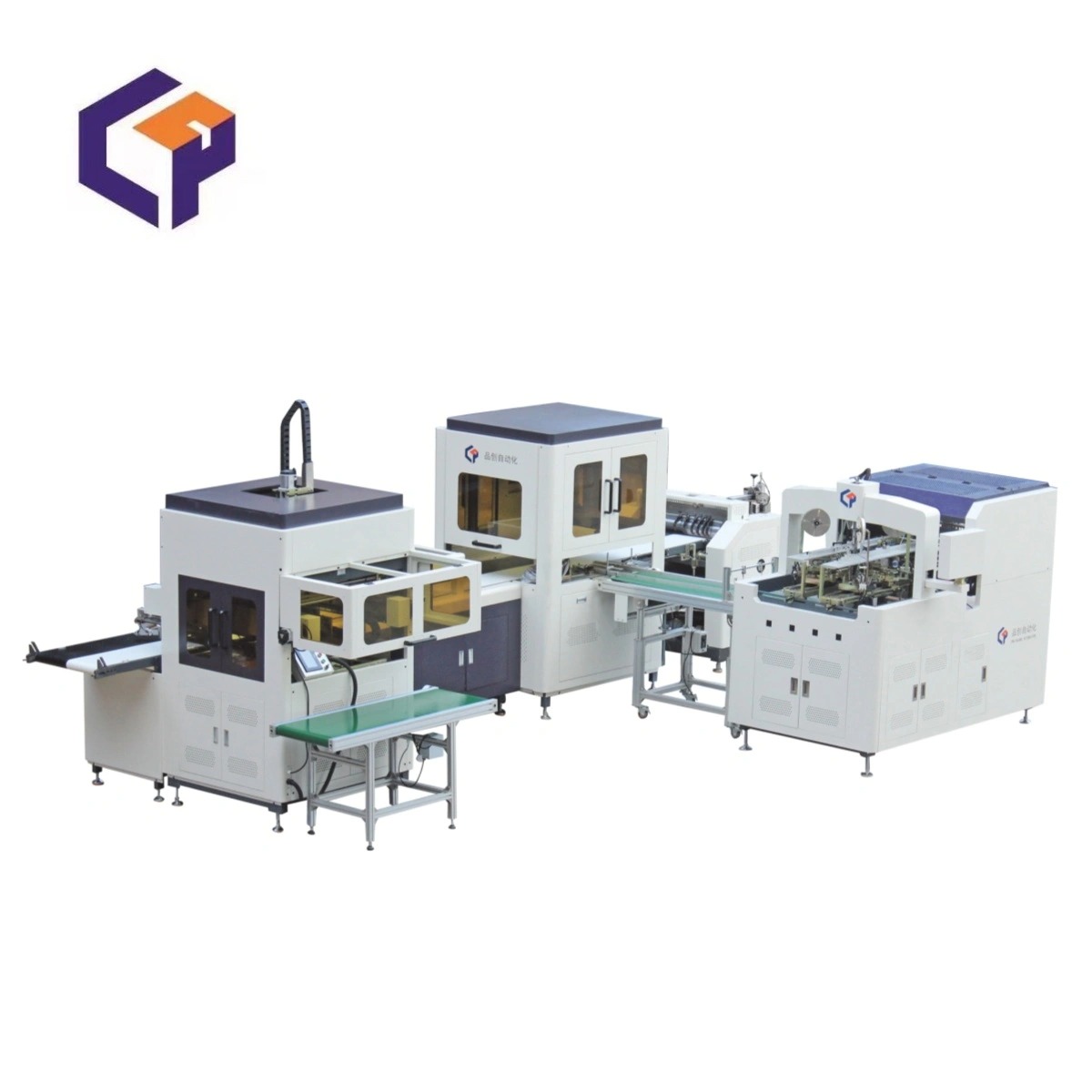
An expert guide for modern manufacturers to balance capital investment with long-term operational efficiency in high-end packaging.
Introduction to Strategic Equipment Investment
In the rapidly evolving world of premium packaging, the decision to invest in a new box making machine is a pivotal moment for any manufacturing facility. As global demand for luxury goods, electronics, and specialty gift sets continues to climb, the pressure on production lines to deliver precision and speed has never been higher. However, the market is flooded with various options, ranging from entry-level manual setups to high-speed fully automated systems.
Choosing the right equipment requires more than just looking at the price tag. It involves a deep analysis of performance metrics, including output speed, accuracy, setup times, and maintenance requirements. A low-cost machine might save capital upfront but could lead to higher labor costs and material waste, while an expensive high-performance model might offer an ROI that takes years to realize. This article explores how to navigate this balance effectively.
What Defines Performance in a Modern Box Making Machine?
When evaluating the performance of a box making machine, manufacturers must look beyond simple speed ratings. True performance is a combination of mechanical reliability and software intelligence. In the high-end rigid box sector, precision is non-negotiable. Even a half-millimeter deviation can ruin the aesthetic of a luxury brand's packaging.
Key performance indicators include:
Positioning Accuracy: Modern systems utilize visual positioning technology to ensure the paper and board are aligned perfectly every time.
Changeover Speed: The ability to switch between different box sizes with minimal downtime is essential for diverse product lines.
Material Versatility: A high-performance machine should handle various paper weights and glue types without frequent jamming.
Understanding the Total Cost of Ownership
The sticker price of a box making machine is only the beginning. To find the best option, you must calculate the Total Cost of Ownership (TCO). This includes electricity consumption, the footprint of the machine in your factory, the level of skilled labor required to operate it, and the cost of replacement parts.
Semi-automatic machines often appear attractive due to their lower initial cost. However, they require constant human intervention, which increases the risk of error and limits the maximum throughput. Conversely, a fully automatic box making machine from a reputable manufacturer like Pinchuang reduces labor dependency and ensures consistent quality over 24/7 operation cycles.
How to Match Machine Performance to Your Business Needs?
If your business focuses on small batch, high-variety custom gift boxes, performance should be measured by flexibility and ease of adjustment. In this scenario, investing in a machine with a digital control system and memory functions for specific box dimensions is a smart move.
For mass production environments, such as smartphone packaging or large-scale retail, raw speed and mechanical durability take precedence. You need a box making machine that can maintain high speeds without overheating or losing accuracy over long shifts. Evaluating the build quality—specifically the frame rigidity and motor specifications—is critical during the procurement phase.
Why Choose Pinchuang for Your Production Needs?
At Pinchuang, we specialize in high-precision automation equipment designed specifically for the luxury packaging industry. Our research and development team focuses on the intersection of speed and delicate handling, ensuring that every box making machine we produce meets the highest international standards.
Our product range is designed to scale with your business:
- The Automatic Rigid Box Making Machine PC-5040A offers unmatched stability for standard premium boxes.
- For high-volume demands, the Automatic Double Rigid Box Making Machine PC-8040A doubles your output without doubling your footprint.
- Our Automatic Case Making Machine PC-450 ensures that your hardcover and book-style boxes are finished with surgical precision.
With years of experience in the Dongguan manufacturing hub, Pinchuang provides more than just hardware; we provide complete production solutions. You can learn more about our commitment to quality on our About Us page.
Final Thoughts on Equipment Selection
The choice between cost and performance is not a zero-sum game. By selecting a box making machine that offers modular upgrades and energy-efficient operation, you can achieve a balanced investment that protects your margins. Always prioritize vendors who offer robust after-sales support and spare parts availability, as technical downtime is the ultimate performance killer.
Ready to upgrade your facility? Contact the experts at Pinchuang to discuss which model fits your current production volume and future growth targets.
Frequently Asked Questions
Q1: What is the typical ROI period for a Pinchuang box making machine?
Most of our clients report a full return on investment within 12 to 18 months. This is achieved through significantly reduced labor costs and a decrease in material waste due to the high precision of our automated systems.
Q2: How does the automation level of a box making machine impact its maintenance cost?
While highly automated machines have more complex components, they are built for durability. Pinchuang machines feature self-diagnostic software that helps identify issues before they cause breakdowns, often resulting in lower long-term maintenance costs compared to manual machines that suffer from human-handling wear.
Q3: Can your box making machine handle recycled or specialty textured papers?
Yes. Our machines are designed with adjustable vacuum suction and gluing pressure, allowing them to process various materials, including eco-friendly recycled boards and luxury textured papers commonly used in cosmetics and jewelry packaging.
Q4: Is specialized training required to operate a high-performance box making machine?
We provide comprehensive on-site training. While our machines utilize advanced technology, the user interface is designed to be intuitive. Most operators can become proficient in basic operation and changeover procedures within a few days of training.
Q5: How does the visual positioning system in your box making machine improve output quality?
The visual positioning system uses high-resolution cameras to detect the exact location of the paper and board. It compensates for any slight misalignments in real-time, ensuring that the finished box has perfectly square corners and accurate wrapping every time.