

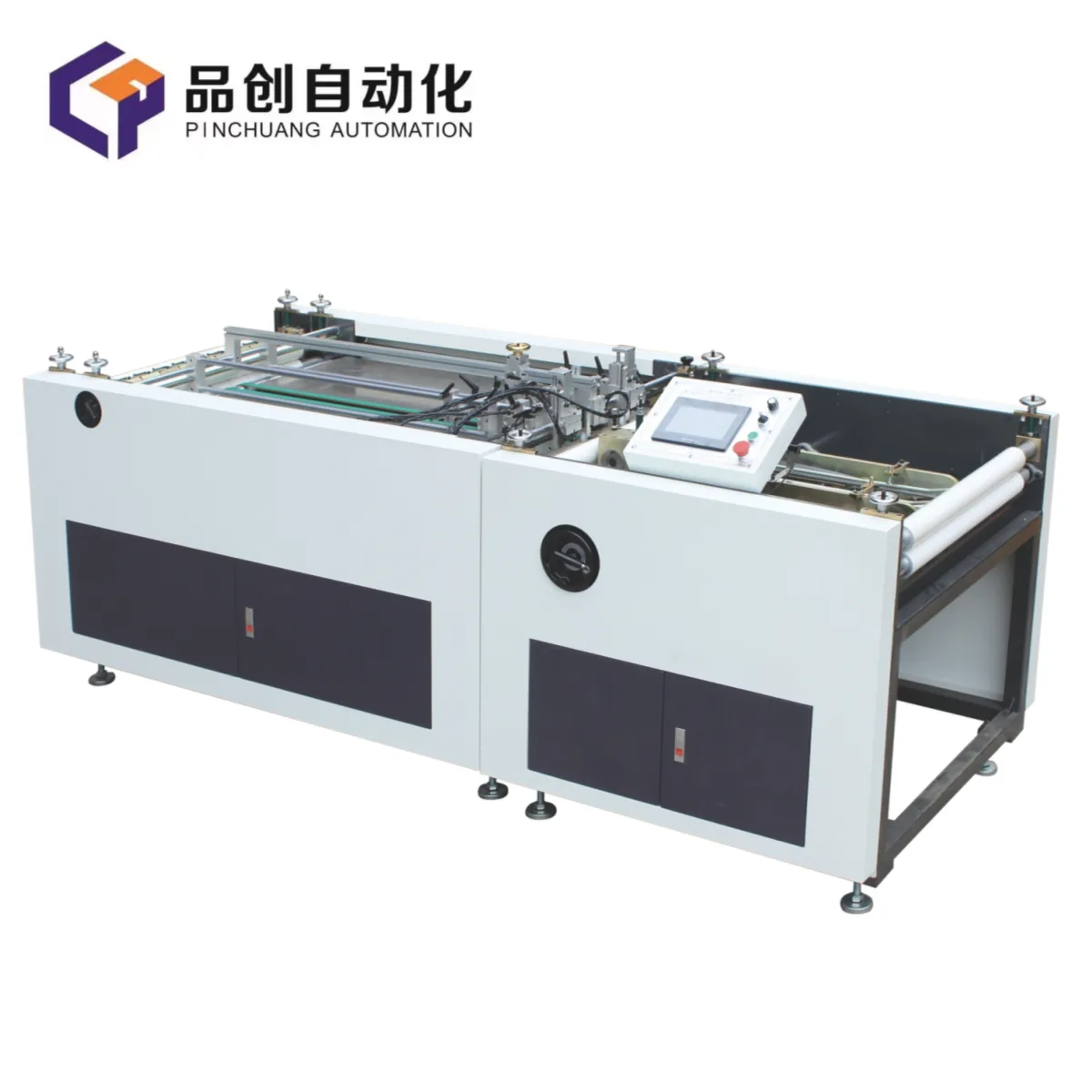
A comprehensive guide to understanding the economic impact, operational efficiency, and long-term value of integrating advanced automation into your packaging production line.
Introduction to Modern Case Production
The global luxury packaging market is undergoing a rapid transformation, shifting away from labor-intensive manual processes toward high-precision automation. For manufacturers specializing in rigid boxes, book covers, and premium gift sets, the adoption of an automatic case making machine is no longer just an option but a strategic necessity to remain competitive in a demanding market.
In this analysis, we explore how automation affects the bottom line. By replacing traditional methods with a streamlined, machine-driven approach, companies can achieve unparalleled consistency while drastically reducing the unit cost of production. This article delves into the technical advantages and financial justifications for upgrading your facility with modern machinery.
The Economics of the Automatic Case Making Machine
The primary driver for purchasing an automatic case making machine is the Return on Investment (ROI). While the initial capital expenditure may seem significant, the operational savings usually allow for a full payback within 12 to 18 months, depending on production volume. This is achieved through three main pillars: labor optimization, material precision, and energy efficiency.
Labor costs represent the largest variable expense in packaging manufacturing. An automated system can replace the output of five to ten manual workers, allowing human talent to be redirected toward quality control and creative design. Furthermore, automation eliminates the common errors associated with fatigue, ensuring that the first case produced in the morning is identical to the last one produced at night.
Precision is another critical factor. Advanced machines utilize visual positioning systems and high-speed robotic arms to ensure that paper and board are aligned with sub-millimeter accuracy. This reduces waste significantly, as fewer units are rejected during the quality assurance phase, saving thousands of dollars in raw materials annually.
How Does Automatic Case Making Improve Quality?
Quality in high-end packaging is defined by the crispness of the corners and the seamless application of the wrap. An automatic case making machine utilizes heated glue systems and pneumatic pressing units to achieve a bond that manual gluing simply cannot match. This results in a product that feels more premium and durable.
- Consistent Gluing: Precision nozzles apply the exact amount of adhesive required, preventing "bubbling" or "bleeding" through thin decorative papers.
- Visual Positioning: Utilizing high-definition cameras to verify alignment before the wrapping process begins.
- Corner Folding: Mechanical folders provide tight, uniform tucks that are essential for luxury electronics and cosmetic packaging.
Versatility Across Packaging Niches
One of the common misconceptions is that an automatic case making machine is only for high-volume, single-design runs. Modern equipment features "quick-change" settings that allow manufacturers to switch between different box sizes or cover designs in under 30 minutes. This flexibility is vital for the current trend of short-run, personalized packaging.
From the production of hardcover book jackets to complex three-piece rigid box structures, these machines handle various substrates, including textured paper, leatherette, and synthetic fabrics. This versatility ensures that a single piece of equipment can serve multiple client industries, from publishing and stationery to jewelry and high-end liquor.
Why Choose Pinchuang for Your Automation Needs?
At Pinchuang, we specialize in delivering state-of-the-art solutions for the packaging industry. As a leading manufacturer, we understand that every production line has unique requirements. Our commitment to innovation has made us a trusted partner for global brands seeking to modernize their facilities.
Our flagship automatic case making machine models are designed for durability and ease of use. For example, our PC-500P model features Yamaha visual positioning technology, ensuring world-class accuracy for the most intricate designs. We don't just sell machines; we provide a complete ecosystem of support, from initial factory layout planning to long-term technical maintenance.
Our Core Advantages
- Customizable configurations for specific box dimensions.
- Integration of world-renowned components (Yamaha, Omron).
- Energy-efficient designs that lower operational costs.
- Comprehensive after-sales service and training.
Featured Product Lines
- Rigid Box Making Solutions
- Automatic V-Grooving Systems
- Visual Double Positioning Machines
Ready to Elevate Your Production?
Investing in an automatic case making machine is the most effective way to secure the future of your packaging business. Join the ranks of industry leaders who prioritize precision and efficiency.
Frequently Asked Questions
Q1: Why should I invest in an automatic case making machine rather than semi-automatic options?
An automatic case making machine minimizes human intervention, which is the leading cause of production inconsistency. While semi-automatic machines are cheaper initially, the full-automatic version offers much higher throughput and lower long-term labor costs, providing a better overall ROI for high-volume manufacturers.
Q2: How does an automatic case making machine handle different paper weights and textures?
Modern equipment, like the solutions offered by Pinchuang, features adjustable vacuum suction and sensitive feeding mechanisms. This allows the automatic case making machine to handle everything from thin 100gsm art paper to thick 150gsm textured specialty papers without damaging the surface or causing misfeeds.
Q3: What is the average lead time for a custom automatic case making machine from Pinchuang?
Our standard production lead time for an automatic case making machine is typically 30 to 60 days, depending on the level of customization required. This includes rigorous factory testing to ensure the machine meets your specific substrate and size requirements before shipping.
Q4: Can an automatic case making machine be integrated into my existing rigid box production line?
Yes, our automatic case making machine is designed with modularity in mind. It can easily be synced with other components such as automatic gluing machines and corner pasting units via PLC controls, creating a seamless end-to-end production flow.
Q5: What maintenance is required to keep an automatic case making machine running at peak efficiency?
Routine maintenance for an automatic case making machine involves daily cleaning of the glue rollers and periodic inspection of the pneumatic lines. Pinchuang provides detailed maintenance manuals and video guides, along with remote technical support to ensure your uptime remains above 98%.